
Popular Foundation Repair Materials for Home Improvement Projects
Explore versatile products that help you restore and reinforce your home's foundation efficiently and effectively.
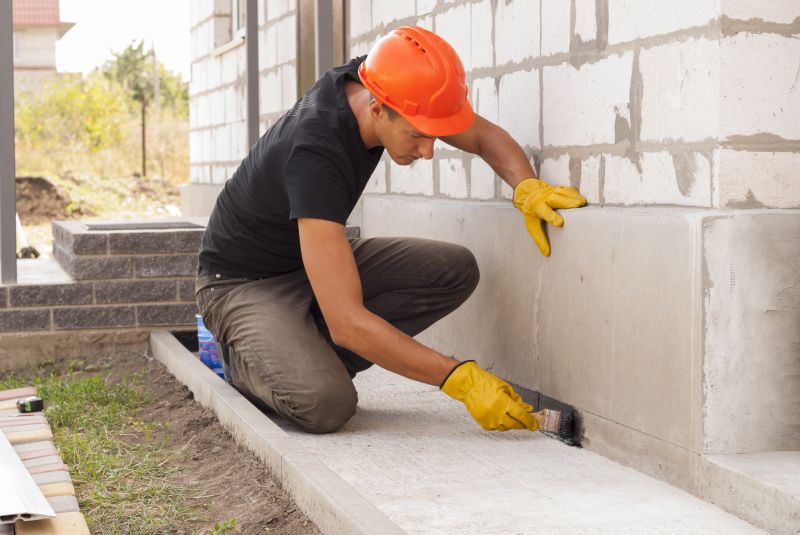 Foundation repairs are a critical aspect of maintaining the stability and safety of any structure. When signs of foundation issues emerge, such as cracks in walls, uneven floors, or sticking doors and windows, it is essential to consider a range of products designed to address these concerns effectively. These products vary widely in their application, from simple repair kits to advanced structural support systems. Understanding the options available can help homeowners and contractors select the most appropriate solutions for their specific needs.
Top Overall Option
Hydraulic Piering System
A hydraulic piering system provides a versatile approach to foundation stabilization by using hydraulic jacks and support piers to lift and support settling foundations. These systems are adaptable for various foundation types and soil conditions, offering a non-invasive method to reinforce and stabilize structures. Proper installation by experienced professionals can help ensure long-term support, making it a widely considered option for foundation repair projects.
Types of Products For Foundation Repairs
Concrete Crack Repair Kits
These kits include sealants and fillers designed to close cracks and prevent water intrusion, suitable for minor surface cracks.
Underpinning Piers
Supports that are installed beneath the foundation to lift and stabilize sinking or settling structures.
Wall Reinforcement Systems
Products like carbon fiber straps or steel braces that reinforce cracked or bowing basement walls.
Soil Stabilization Grouts
Injection materials used to improve soil stability around the foundation to reduce shifting.
Waterproofing Membranes
Protective barriers applied to foundation walls to prevent moisture intrusion and water damage.
Helical Piles
Deep foundation supports that are screwed into the ground to provide additional stability in challenging soil conditions.
Polyurethane Foam Injectors
Expandable foam used to fill voids and lift sunken slabs or foundation sections.
Foundation Repair Braces
Support braces designed to stabilize bowing or leaning walls.
Drainage Systems
Installation of drainage solutions to divert water away from the foundation and reduce soil erosion.
Epoxy Injection Products
High-strength epoxies used to bond and seal cracks in concrete and masonry.
Foundation Jacking Equipment
Tools and systems used to lift and level sunken slabs or sections of the foundation.
Piling Systems
Various types of piles, including steel and concrete, used to support and stabilize foundations.
Popular Choices
Widely used for sealing surface cracks and preventing water entry.
Commonly employed to reinforce and stabilize bowing basement walls.
Often selected for underpinning and lifting sinking foundations.
Popular for quick lifting of sunken slabs with minimal disruption.
A favored method for strengthening cracked basement walls.
Effective in managing water around the foundation to reduce hydrostatic pressure.
Used to improve soil conditions under the foundation.
Applied to exterior or interior foundation surfaces for moisture protection.
Chosen for their adaptability in challenging soil environments.
Commonly used for crack sealing and structural bonding.
Installed to provide additional support to compromised foundation sections.
Helps direct water away from foundation walls, reducing moisture issues.
Injected to fill gaps beneath slabs and stabilize the ground.
The process of foundation repair often involves assessing the underlying cause of settlement or shifting. Once identified, solutions can include underpinning systems that stabilize the foundation, wall reinforcement products that prevent further cracking, and waterproofing materials to protect against moisture intrusion. Each product type is designed to serve a particular function, whether it is to lift, stabilize, or reinforce the existing foundation structure.
Proper installation and selection of foundation repair products are vital for long-term stability. It is recommended to consult with a foundation specialist to determine the most suitable products based on the type of foundation, soil conditions, and extent of damage. Many repair products are designed for DIY use, but complex issues often require professional intervention to ensure safety and effectiveness. Regular inspections and maintenance can also prolong the lifespan of the foundation and prevent future problems.
Overall, the market offers a versatile array of foundation repair products, each tailored to different scenarios. From simple patching compounds to sophisticated underpinning systems, understanding the features and applications of these products can help in making informed decisions. This guide aims to introduce various options and considerations to assist homeowners and professionals in selecting the right tools for foundation stabilization and repair.
Key Buying Considerations
- Assess the extent and type of foundation damage to determine suitable repair products.
- Consider soil conditions and how they influence the choice of stabilization methods.
- Evaluate whether a DIY solution is feasible or if professional installation is recommended.
- Check product compatibility with existing foundation materials such as concrete, masonry, or wood.
- Prioritize products that offer durability and long-term support for your specific needs.
- Review the ease of application and whether specialized tools or skills are required.
- Look for products with clear instructions and safety guidelines to ensure proper use.
- Consider the potential for future repairs and whether the product allows for easy maintenance.
- Research the reputation and reviews of the product to gauge effectiveness and reliability.
- Factor in the environmental conditions, such as moisture levels and water exposure, that may affect product performance.
- Determine if the product can be integrated with other foundation repair systems for comprehensive solutions.
- Review warranty or guarantee options offered by manufacturers or suppliers.
- Estimate the overall cost, including materials, tools, and labor if applicable.
- Ensure the product complies with local building codes and standards.